
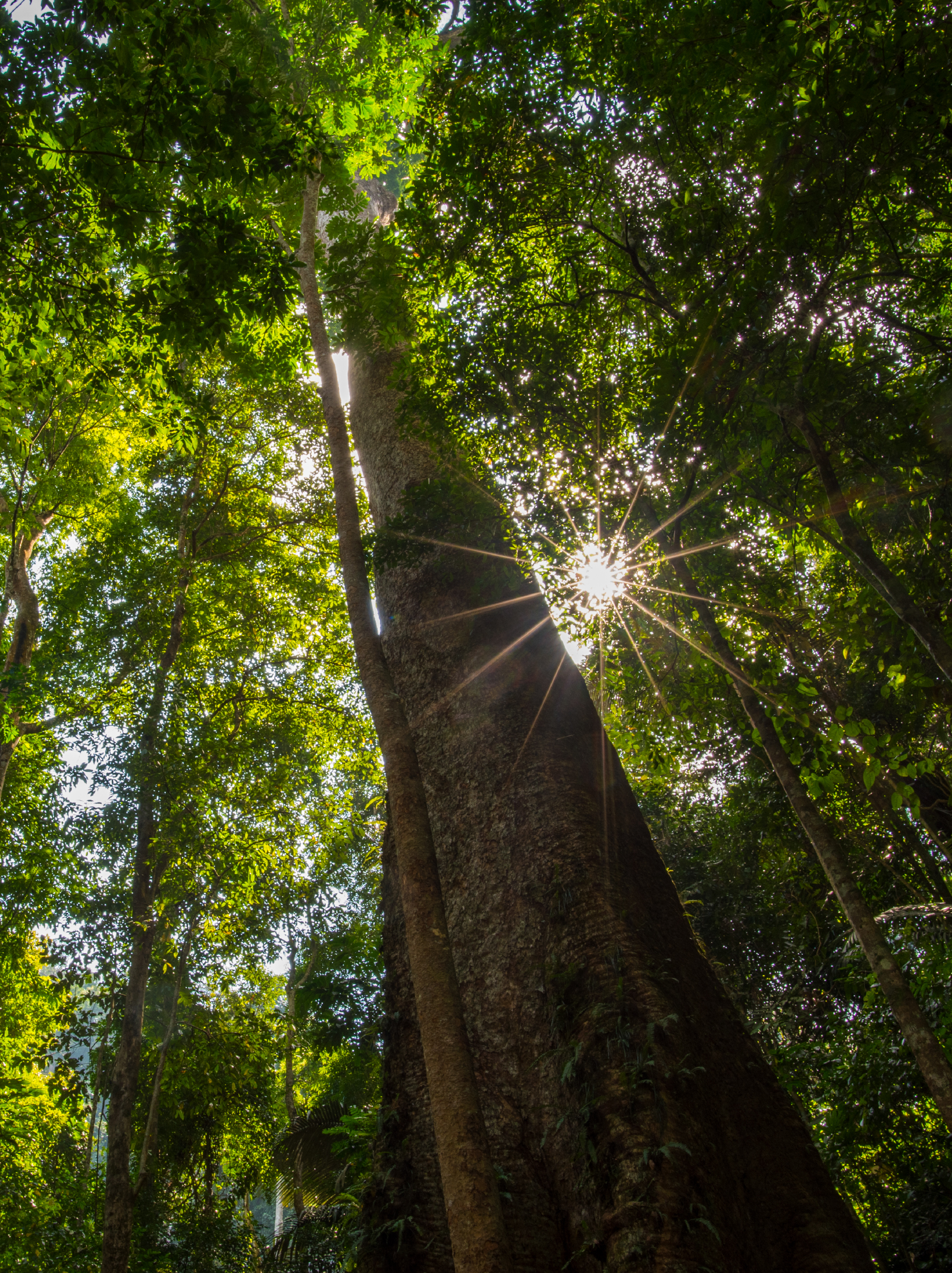
Have you ever stood in the middle of a forest and felt the whisper of ancient wisdom through the rustling leaves? That’s exactly what hit me as I wandered through Karura Forest, where trees towered like silent guardians of the land. In their shade, I felt a connection not just to nature but to history, culture, and the delicate balance that sustains life.
Kenya’s indigenous trees are more than just greenery; they’re storytellers, protectors, and providers. Trees like the sacred mugumo hold a revered place in Kenyan traditions, serving as sites for prayer, council meetings, and a link to the ancestors.
Meanwhile, the majestic baobab, with its bulbous trunk and branches that look like roots reaching for the sky, has inspired countless myths while quietly holding ecosystems together.
Ecological Wonders in Action
Beyond their cultural significance, these trees play a starring role in sustaining our planet. Picture this: a single indigenous tree like the African Wild Olive supports countless birds, insects, and small mammals, creating a lively ecosystem that hums with life. Their roots anchor the soil, preventing erosion, while their canopies provide a shady refuge from the blazing sun.
Walking through Karura, I noticed how seamlessly the forest breathes life into Nairobi. The trees filter out pollutants, offering a much-needed gulp of fresh air to the bustling city. Indigenous forests are like Earth’s lungs—quietly working behind the scenes, asking for little but giving us everything.


A Legacy Worth Protecting
But here’s the thing: these trees are under threat. Urbanization, deforestation, and climate change have put immense pressure on Kenya’s forests. Once upon a time, the highlands of central Kenya were covered in dense indigenous forests, but now only fragments remain. Thankfully, conservation initiatives are stepping in to protect what’s left and even restore what’s been lost.
During my visit to the Nairobi Museum, I stumbled upon an exhibit showcasing Kenya’s botanical history, and it struck me just how much effort goes into preserving these trees. From community-led reforestation projects to school programs teaching kids to plant trees, every little effort adds to a collective hope for the future.
“Indigenous trees in Kenya—mugumo and baobab—are silent guardians uniting culture, ecology, and history. Protect our living legacies!” #GuardiansOfTheLand
A Walk Through Time and Nature
It’s not just forests like Karura that make an impact. Think about the countryside around Tigoni, where tea plantations stretch for miles.
Beneath those rows of tea bushes lie remnants of ancient forests—trees that once shaded the hills and now serve as a reminder of what the land used to be. Even amidst modern agriculture, the beauty of indigenous flora manages to shine through.

Why It All Matters
When we talk about saving trees, it’s not just about hugging them (though that’s highly recommended). It’s about preserving a legacy. These trees are a bridge between past and present, a link that connects us to traditions, ecosystems, and even ourselves.

So next time you’re out for a walk—whether it’s in a place as serene as Karura Forest or a bustling city park—look up. Notice the shade, listen to the leaves, and take a moment to appreciate the silent guardians that keep our world spinning. It’s not just a tree; it’s history, culture, and life wrapped into one magnificent form.
Because when we save a tree, we’re not just saving nature—we’re saving a piece of ourselves.
• Photo by Maksim Shutov on Unsplash
• Envato Elements