
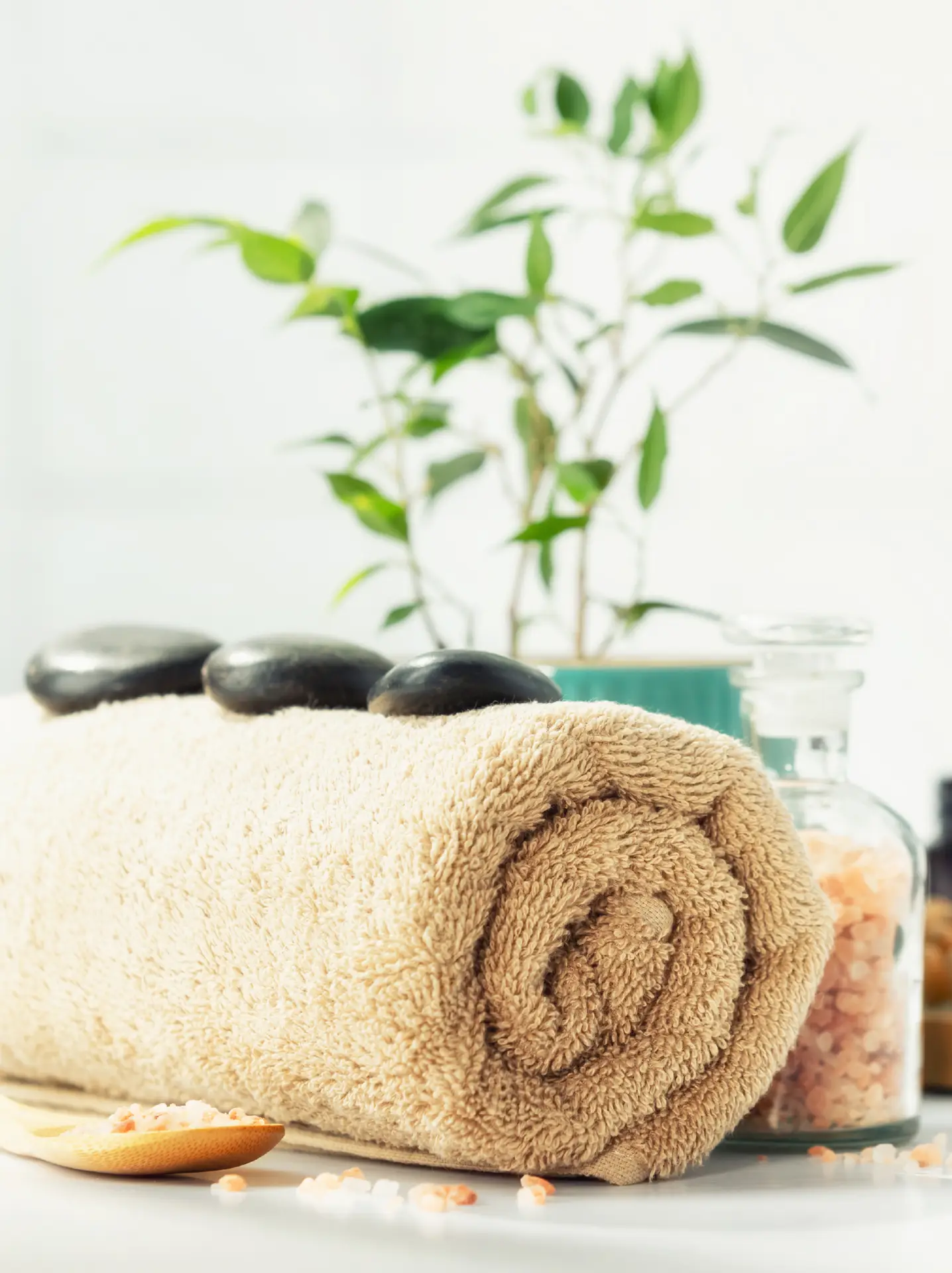
I don’t know about you, but there’s something profoundly calming about being surrounded by nature. I’m not talking about nature while you are out in the sun in your village weeding in the farm, sunburnt, angry and hungry, no. I’m talking about the rustle of leaves in the wind, the scent of earth after rain, the warm glow of sunlight filtering through trees, simple and serene.
Modern life often pulls us away from this connection. We are surrounded by what I can only refer to as concrete jungles, lifeless walls. Spas however, have found a way to bridge the gap. By blending the tranquility of nature with the art of relaxation, they create spaces where you can recharge both body and soul.
A Haven of Serenity
Imagine stepping into a space nestled within a lush garden, where pathways are lined with blooming flowers and the air is filled with the gentle sound of trickling water. Inside, wide windows frame views of rolling hills, and natural light dances on walls made of stone and wood.
Even the smallest details—the use of earthy tones, the texture of bamboo mats underfoot, the scent of lemongrass—draw you into a sanctuary where the outdoors isn’t just admired; it’s invited in.


A Little History
The concept of integrating nature into spa experiences can be traced back to the late 19th and early 20th centuries, when urbanization began to shift populations away from green spaces. Visionaries like Dr. Sebastian Kneipp, a Bavarian priest and naturopath, popularized hydrotherapy and the therapeutic benefits of connecting with natural elements.
Kneipp believed in the power of water, plants, and fresh air to heal both body and mind. His philosophy laid the foundation for modern wellness retreats, inspiring spa designs that incorporate outdoor elements to help city dwellers reconnect with nature.
In the mid-20th century, spa architects began embracing biophilic design—a principle that integrates natural elements into built environments. This movement was driven by the growing recognition that humans thrive when connected to nature, even in urban settings. Today, nature-inspired spas honor this legacy, offering an oasis of calm amid the chaos of modern life.
"Spas invite nature indoors—immerse in earthy tones, soothing scents, and tranquil sounds that renew the soul." #NaturesSanctuary 🌿
Nature + Healing
Studies show that time spent in nature reduces stress, lowers blood pressure, and boosts mental clarity. Spas that incorporate natural elements amplify these benefits, creating an environment where healing feels organic and effortless.
Water features, for instance, mimic the soothing sounds of rivers, while plants purify the air and infuse spaces with life. Some spas even use locally sourced ingredients—volcanic clay masks or herbal teas infused with native botanicals—to ground their treatments in the surrounding landscape.

Personal Experience
One visit stands out as a perfect blend of relaxation and nature. It began with a warm foot and a view of the open skies and trees. The air carried a soothing mix of earthy and floral scents, instantly calming my senses.
During the massage, the gentle rhythm of the therapist’s hands seemed to mirror the tranquil sounds around me—the rustle of leaves, the distant calls of birds, and the soft hum of a nearby stream.
The oils, rich with hints of lemongrass and citrus, felt like a luxurious extension of the natural world. It wasn’t just a treatment; it was a moment where the outside and inside became one.

It doesn’t really matter whether you find your sanctuary in a spa surrounded by gardens or in your own backyard, take a moment, breathe, reconnect with nature and let it heal you. Listen to the wind, feel the warmth of the sun, and breathe in the simplicity of life outdoors. Sometimes, the best way to nurture ourselves is by letting nature do what it does best—restore and renew.
• Photo by Priscilla Du Preez 🇨🇦 on Unsplash
• Photo by Pixabay: https://www.pexels.com/photo/towels-rolled-208504/
• Envato Elements