

Fashion is often seen as a fleeting trend or a form of self-expression, but in Kenya, it’s so much more. Every bead, thread, and pattern tells a story—stories of heritage, resilience, and the vibrant fusion of past and present. Kenyan fashion is not just about looking good; it’s a tapestry of history, culture, and identity that evolves with each generation, weaving the old and new into something uniquely beautiful.
A Memory Woven in Color
Imagine strolling through a bustling market on a warm afternoon, sunlight catching the vibrant hues of fabrics fluttering in the breeze. You stop to admire a kanga, its Swahili proverb boldly printed amidst a kaleidoscope of colors. Nearby, a Maasai artisan works meticulously on a bead necklace, each tiny bead a pixel in a grand narrative of tradition.
These aren’t just fashion pieces—they’re cultural symbols, wearable archives of history. The kanga, with its bold prints and messages, has long been a way for women to communicate, from declarations of love to warnings about betrayal. The Maasai beadwork, intricate and deliberate, tells stories of status, age, and community. It’s this interplay of function and symbolism that makes Kenyan fashion a living art form.


Tradition Meets Modernity
Kenyan fashion today is an exciting crossroads where heritage and modernity collide in the most dazzling way. Designers across the country are redefining what it means to be Afrocentric, creating pieces that honor tradition while speaking to contemporary audiences.
Take the vibrant kitenge, for instance. Once reserved for special occasions, it’s now being reimagined into stylish jumpsuits, handbags, and even sneakers. Fashion brands are incorporating traditional prints into streetwear, proving that culture isn’t confined to ceremonies but is something to be celebrated daily.
This resurgence isn’t just about aesthetics—it’s a statement of pride. Afrocentric fashion is reclaiming narratives, showing the world that African design isn’t a monolith but a rich, diverse tapestry of styles, techniques, and stories.
"Kenyan fashion isn’t just style—it’s storytelling. Every bead, print, and stitch carries history, pride, and vision." #ExploreWithQuinter #KenyanFashion #StyleWithHeritage
Inspiration Everywhere
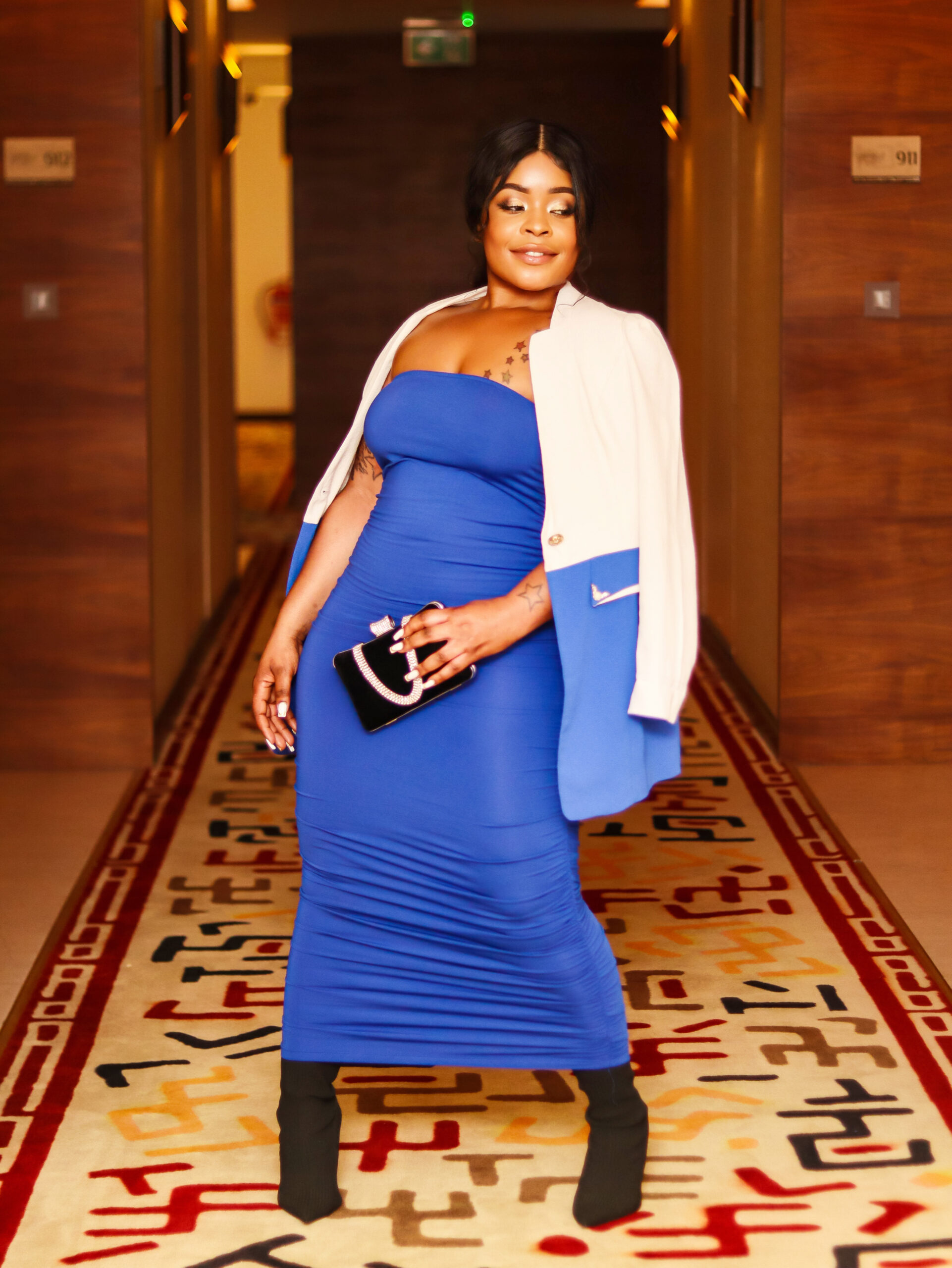
Kenyan fashion draws inspiration not just from tradition but from the world around us. Picture the understated elegance of a hotel lobby like Ole Sereni, where muted tones meet bold tribal patterns in the décor.
Or the tranquil tea fields of Tigoni, where the soft greens and earthy browns find their way into fabric palettes. In every corner of life, there’s a story waiting to be told through fashion. It’s in the way we honor our landscapes, our crafts, and our people.
The Texture of Identity
What makes Kenyan fashion truly remarkable is its texture—both literal and metaphorical.

There’s the rough yet delicate feel of sisal fibers in handmade bags, the smooth glide of silk scarves adorned with tribal motifs, the weight of chunky necklaces that carry generations of craftsmanship, then there’s the intangible texture: the stories, the memories, and the pride embedded in each piece.
Fashion is deeply personal, yet profoundly communal. It’s about individuals expressing themselves while simultaneously carrying forward the legacy of their ancestors.
A Vibrant Future
Kenyan designers aren’t just preserving traditions—they’re pushing boundaries. Contemporary runway shows in Nairobi blend global trends with distinctly local elements, creating looks that are as bold as they are meaningful. You’ll see structured suits with Maasai-inspired patterns, flowing gowns made from kikoy fabric, and accessories that fuse technology with age-old techniques.
This isn’t fashion for fashion’s sake. It’s a movement. It’s a way of saying, “This is who we are. This is where we’ve been. And this is where we’re going.”
• Photo by Dusabimana Aimable on Unsplash
• Envato Elements